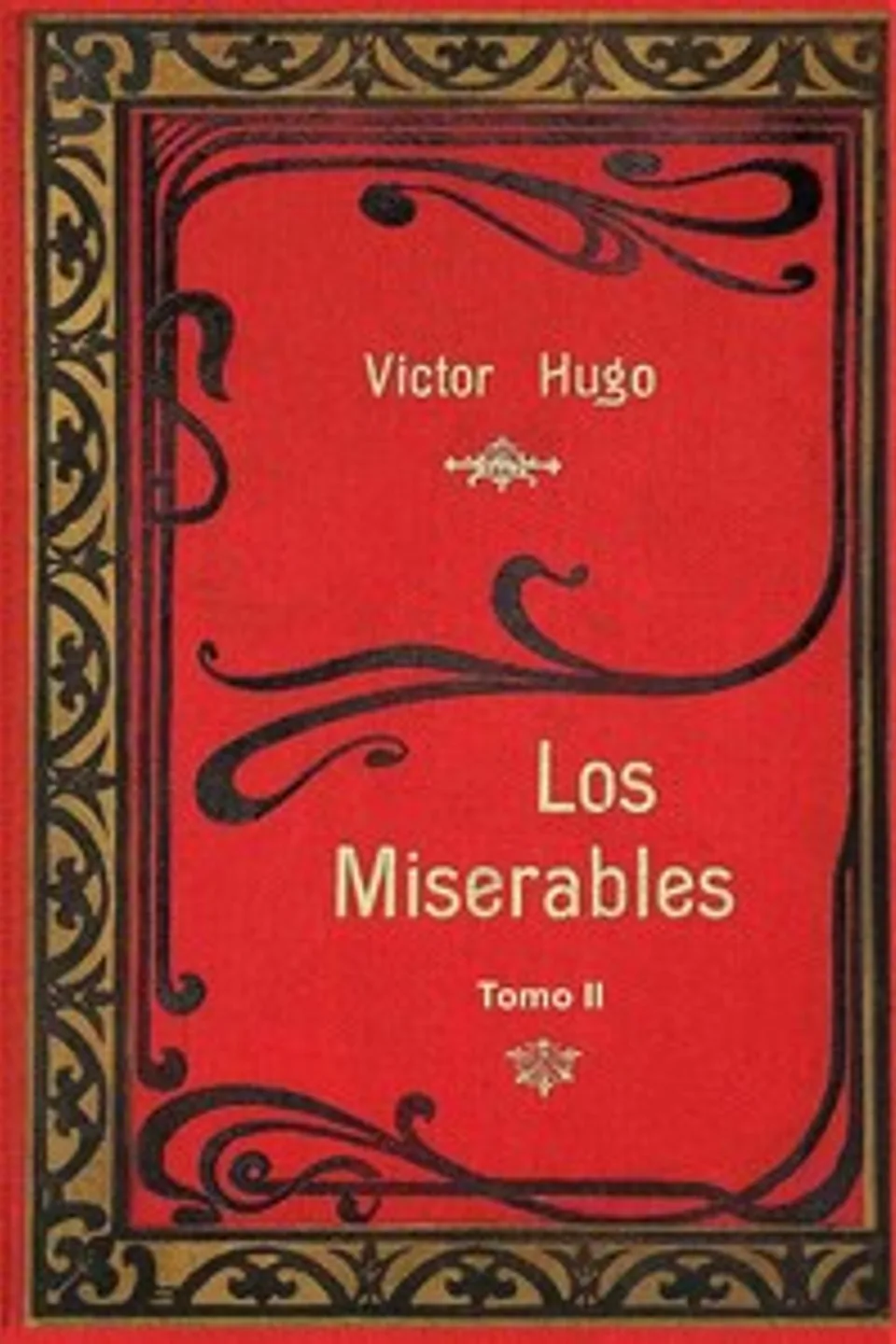
Read in Spanish · with English
Read Les Misérables in Spanish, with English beside it
Original title: Los miserables - Tomo 2 (de 2)
by Victor Hugo · 1802–1885
Los miserables (título original en francés: Les misérables) es una novela del poeta y escritor francés Victor Hugo publicada en 1862, considerada una de las obras más importantes del siglo XIX. El texto, de estilo romántico, plantea por medio de su argumento una discusión sobre el bien y el mal, sobre la ley, la política, la ética, la justicia y la religión. El autor confesó que se había inspirado en Vidocq —criminal francés que se redimió y acabó inaugurando la Policía Nacional francesa— para crear a los dos protagonistas y que la historia de su país le había inspirado para situar el contexto histórico. Por ese motivo, los personajes viven la Rebelión de junio (1832) y los posteriores cambios políticos. Además, el autor analiza los estereotipos de aquel momento y muestra su oposición a la pena de muerte. En su núcleo, al fin, la novela sirve como una defensa de los oprimidos sea cual sea el lugar o la situación sociohistórica. (This summary is from Wikipedia.)
Summary generated automatically by Project Gutenberg.
- Read time
- 1199 min
- Words
- 263,864
- Chapters
- 41
- Paragraphs
- 11,384
- Price
- Free
- Epic literature
- Ex-convicts -- Fiction
- Historical fiction
- Orphans -- Fiction
- Paris (France) -- Fiction
La sociedad de los Derechos del Hombre engendraba la sociedad de Acción.
The Society of the Rights of Man gave birth to the Society of Action.
Eran éstos los impacientes que se separaban y corrían adelante.
These were the impatient ones who separated and ran ahead.
Otras sociedades trataban de reclutarse en las grandes sociedades-madres.
Other societies tried to recruit from the great mother societies.
Los seccionarios se quejaban de verse atraídos.
The section members complained of being drawn in.
De ahí nació «la sociedad gálica» y «el comité organizador de las municipalidades».
From this arose "the Gallic society" and "the organizing committee of the municipalities".
De ahí las asociaciones para «la libertad de imprenta», para «la libertad individual», para «la instrucción del pueblo contra los impuestos indirectos»;
From this came the associations for "freedom of the press", for "individual freedom", for "the education of the people against indirect taxes";
además la sociedad de los Obreros Igualadores, que se dividía en tres fracciones: los niveladores, los comunistas y los reformistas.
also the Society of Equalizing Workers, which was divided into three fractions: the levelers, the communists, and the reformists.
Luego había el Ejército de las Bastillas, especie de cohorte organizada militarmente, que tenía para cada cuatro hombres un cabo, para cada diez un sargento, para cada veinte un subteniente, para cada cuarenta un teniente,
Then there was the Army of the Bastilles, a kind of cohort organized militarily, which had for every four men a corporal, for every ten a sergeant, for every twenty a second lieutenant, for every forty a lieutenant,
y en la cual no había más de cinco que se conociesen; creación en que la precaución estaba combinada con la audacia, y la cual parece llevaba el sello de Venecia.
and in which no more than five knew each other; a creation in which caution was combined with audacity, and which seems to bear the seal of Venice.
Del comité central, que era la cabeza, nacían esos dos brazos, la sociedad de Acción y el Ejército de las Bastillas.
From the central committee, which was the head, sprang these two arms, the Society of Action and the Army of the Bastilles.
Una asociación legitimista, los Caballeros de la Fidelidad, se movía en medio de estas afiliaciones republicanas; pero había sido denunciada y repudiada.
A legitimist association, the Knights of Fidelity, moved amidst these republican affiliations; but it had been denounced and repudiated.
Las sociedades parisienses tenían ramificaciones en las principales ciudades:
The Parisian societies had branches in the main cities:
Lyon, Nantes, Lila y Marsella, tenían su sociedad de los Derechos del Hombre, la Carbonaria, y los Hombres libres, Aix tenía una sociedad revolucionaria, que se llamaba la Cougourde.
Lyon, Nantes, Lille, and Marseille had their Society of the Rights of Man, the Carbonari, and the Free Men; Aix had a revolutionary society, called the Cougourde.
Ya hemos escrito otra vez esta palabra.
We have written this word again.
En París, el arrabal de San Marcelo no estaba menos conmovido que el de San Antonio, y las escuelas no menos entusiasmadas que los arrabales.
In Paris, the suburb of Saint-Marcel was no less stirred than that of Saint-Antoine, and the schools no less enthusiastic than the suburbs.
About the author
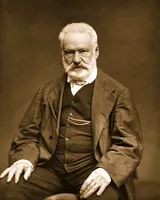
Victor Hugo1802–1885
Victor Hugo was a towering figure of French Romanticism, born in Besançon in 1802 and dying in Paris in 1885.
All 2 Victor Hugo books, easiest first →Questions about Les Misérables
Can I read Les Misérables in Spanish with English side by side online?
Yes, free. Paralelo shows the Spanish original with a English machine translation beside it, aligned phrase by phrase: hover or tap a phrase and its counterpart lights up in the other column. Anyone can read a passage; a free account opens the whole book.
What level do I need to read Les Misérables here?
There is no set level. Les Misérables runs to 263,864 words in 41 chapters, and the translation sits beside it, aligned phrase by phrase, so you can start below the level the original would need on its own and lean on the translation only where you stumble.
Is Les Misérables really free to read?
Yes. The text is in the public domain, and the translation and alignment are ours to give. A free account opens the whole book; the paid tier is for unlimited explanations.
Can I read Les Misérables in another language?
Not yet. Each language is its own translation and alignment run, and titles are queued by demand: open the book in that language and press “Ask for priority” to move it up the queue.
How long does Les Misérables take to read?
About 20 hours at a normal pace, longer if you stop to look at the alignment, which is rather the point.
Book details
- Original language
- Spanish
- Translation
- English, machine translation
- Source text
- Project Gutenberg #78068
- Licence
- Public domain worldwide
Guides that recommend books in Spanish
All guides →More originally in SpanishSame language, same shelf

Start Les Misérables today.
Free forever, no card. The whole library opens with an account.
Start reading, it's free