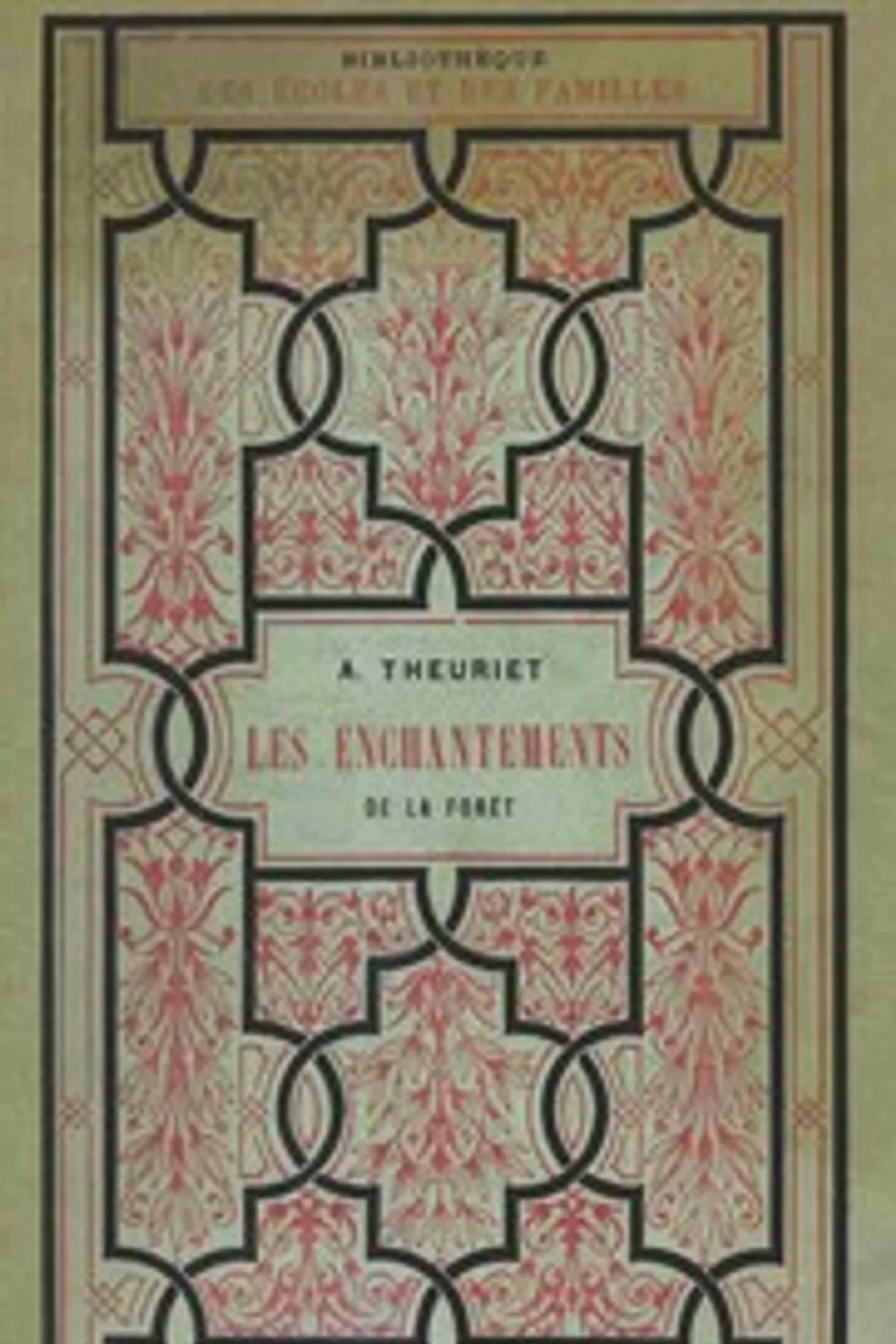
Read in French · with English
Read Les enchantements de la forêt in French, with English beside it
by André Theuriet · 1833–1907
"Les enchantements de la forêt" by André Theuriet is a children's novel written in the late 19th century. It traces a provincial boy whose imagination—fired by fairy tales and the allure of the woods—blends with everyday life to spark quests both comic and perilous. Guided and opposed in turn by a jovial ex-forester grandfather, a strict grandmother, and his impulsive friend Bigeard, the tale explores how wonder, temptation, and courage bloom at the forest’s edge. At the start of the novel, a seven-year-old narrator in Juvigny spends his days with his grandparents above a hatter’s shop, devouring fairy-tale chapbooks and becoming entranced after seeing The Sleeping Beauty performed by a traveling troupe. His kindly, outdoors-loving grandfather contrasts with his no-nonsense grandmother, and school under the harsh Sister Euloge introduces him to Claude Bigeard, a crafty classmate who becomes his confidant in dreams of a “Princesse Verte” hidden in the deep woods. After punishment and a failed lesson, the boys bolt from school, wander the fair, then decide to find the imagined princess in the “grand bois.” On the way they meet Césarin, a jovial vagabond flutist, raid cherries, and flee a guard before entering a majestic forest where dusk gathers. A childish “magic” attempt with stolen eggs fails, tempers flare, and hunger, pain, and darkness close in as the pair lose their way, frightened by the owl’s cry and the looming trees—setting the tone of enchantment shading into real peril.
Summary generated automatically by Project Gutenberg.
- Read time
- 214 min
- Words
- 47,086
- Chapters
- 19
- Paragraphs
- 882
- Price
- Free
- Natural history -- Outdoor books
--Ça ne peut être que Césarin, dit Bigeard en hâtant le pas, je reconnais son flageolet...
"It can only be Césarin," said Bigeard, quickening his pace; "I recognize his flute...
Nous allons nous amuser!
We’re going to have fun!"
En effet, au bout d’une vingtaine de pas, nous vîmes devant nous le personnage en question.
Indeed, after about twenty paces, we saw the person in question ahead of us.
Ce Césarin était un gros garçon de trente ans environ, portefaix à ses heures et vagabond les trois quarts du temps.
This Césarin was a stout boy of about thirty years old, a docker by trade and a vagabond three-quarters of the time.
Il jouissait à Juvigny d’une grande popularité, due à sa bonne humeur, à son indépendance d’allures et à sa vie excentrique.
He enjoyed great popularity in Juvigny, owing to his good humour, his independent manner, and his eccentric way of life.
Bien que les bourgeois le tinssent pour un propre à rien et un gueux, on lui passait de nombreuses peccadilles à cause de son caractère inoffensif et de son entrain.
Although the bourgeois considered him good for nothing and a beggar, many minor faults were overlooked because of his harmless character and his lively spirit.
Son principal défaut était d’aimer plus que de raison le vin gris du cru.
His main fault was loving the local grey wine more than was reasonable.
Dès qu’il avait gagné une pièce de trente sous à rentrer du bois ou à porter les colis du roulage, il plantait là sa besogne pour courir les bouchons du faubourg et lézarder au soleil;
As soon as he had earned thirty sous by carrying wood or delivering parcels for the cartage, he would abandon his work to run to the taverns in the suburb and loaf in the sun; then there would be hearty carousals and endless
alors c’étaient de franches lippées et des flûteries sans fin.
flute-playing.
Il avait la langue bien pendue et disait aux gens leurs vérités avec cette franchise expansive que donne une demi-ébriété; les rues retentissaient de ses larges éclats de rire et des fioritures de son flageolet.
He had a loose tongue and told people their truths with that expansive frankness that comes from half-drunkness; the streets rang with his loud peals of laughter and the flourishes of his flute.
Puis, quand il avait dépensé son dernier sou, il devenait morose, muet comme un poisson, et s’en allait faire un somme sous un arbre ou sous un auvent.
Then, when he had spent his last sou, he would become morose, silent as a fish, and go take a nap under a tree or under an awning.
Dès le lendemain, il se remettait énergiquement au travail, besognant comme un cheval, jusqu’à ce qu’il eût ramassé de quoi recommencer à gueuser au soleil.
The next day, he would energetically return to work, toiling like a horse, until he had gathered enough to start loafing in the sun again.
About the author
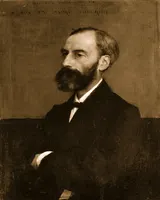
André Theuriet1833–1907
André Theuriet was a French poet and novelist born in Marly-le-Roi in 1833 and died in Bourg-la-Reine in 1907.
The André Theuriet page, and where to start →Read it in another language
Questions about Les enchantements de la forêt
Can I read Les enchantements de la forêt in French with English side by side online?
Yes, free. Paralelo shows the French original with a English machine translation beside it, aligned phrase by phrase: hover or tap a phrase and its counterpart lights up in the other column. Anyone can read a passage; a free account opens the whole book.
What level do I need to read Les enchantements de la forêt here?
There is no set level. Les enchantements de la forêt runs to 47,086 words in 19 chapters, and the translation sits beside it, aligned phrase by phrase, so you can start below the level the original would need on its own and lean on the translation only where you stumble.
Is Les enchantements de la forêt really free to read?
Yes. The text is in the public domain, and the translation and alignment are ours to give. A free account opens the whole book; the paid tier is for unlimited explanations.
Can I read Les enchantements de la forêt in another language?
Yes. It is also published in Spanish, Italian, Portuguese, and switching keeps your place, because both columns share one paragraph numbering.
How long does Les enchantements de la forêt take to read?
About 4 hours at a normal pace, longer if you stop to look at the alignment, which is rather the point.
Book details
- Original language
- French
- Translation
- English, machine translation
- Source text
- Project Gutenberg #78027
- Licence
- Public domain worldwide
Guides that recommend books in French
All guides →More originally in FrenchSame language, same shelf




Start Les enchantements de la forêt today.
Free forever, no card. The whole library opens with an account.
Start reading, it's free